A Tree Just Came Down in the Storm: What to Do First
The moments right after a tree comes down matter more than most homeowners expect.
September 23, 2026 · 4 min read
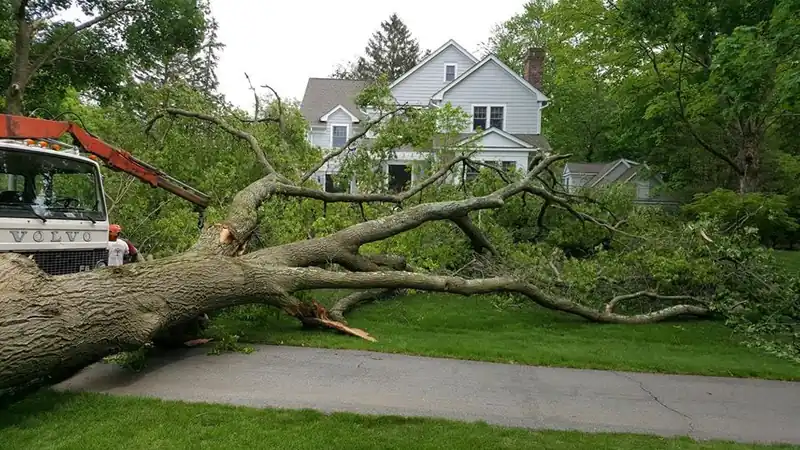
A storm rolls through Northern Bergen County and by morning there's a tree down across the driveway, or worse, leaning on the house. The first instinct is to go out and start clearing it yourself. Don't. A downed tree after a storm is one of the more dangerous things sitting in a yard, and most of the danger isn't obvious just from looking at it. Every storm season we get calls from homeowners who've already started clearing branches themselves before they think to call, and most of the time it works out fine. It's the times it doesn't that matter, and there's no way to tell which is which just by looking at a fallen tree from the driveway.
Keep People and Pets Clear of It
Before anything else, keep everyone away from the tree itself, not just the trunk but the whole area it's lying across. If any part of it is resting against power lines, treat the entire tree and the ground around it as live and call the utility company before you call anyone else. If it's leaning against the house, stay out from underneath that section entirely. A tree that looks settled can still shift.
Don't Try to Cut It Yourself
A tree that's fallen but not fully down is holding tension in places you can't see from the ground. Branches pinned under the weight of the trunk, a leader bent but not broken, a root plate half torn out of the ground still holding part of the tree upright. Cut into any of that with a homeowner's chainsaw and the stored energy can release fast, snapping a limb back or letting the whole trunk roll. This is exactly the kind of tension our crew is trained to read before making a single cut, and it's the main reason storm work isn't a do it yourself job. This is especially true when more than one tree came down in the same storm, or when a large limb is caught up in a neighboring tree's canopy instead of lying flat on the ground. A hung up limb is holding its weight against branches that were never meant to support it, and it can come free without warning.
What to Leave Alone Until We Get There
Leave broken branches hanging in the canopy above, even ones that look like they're about to fall on their own. Leave the root area alone if the tree has pulled soil up with it, walking on a lifted root plate can shift it further. And leave anything touching the house, the garage, a fence, or a car exactly as it is. Photograph it for your records if you want, but don't move it.
What Our Crew Does on Arrival
We start by reading the whole tree before a saw touches it: where the weight is sitting, what's under tension, whether the trunk is stable enough to work from or needs to come down in sections. From there it's a removal, working the tree down piece by piece with the bucket truck or, on a bigger trunk or a tighter site, a crane pick to lift sections clear without putting more weight on the house or whatever else it's resting on. Once the tree itself is down, we grind the stump if that's part of the job and clear every bit of debris, brush, and log rounds out of the yard. We also check in with the homeowner along the way, explaining what we're seeing and why a cut is happening in a particular order, so there aren't any surprises about how the job proceeds.
Then We Look at What's Still Standing
One storm rarely damages just the tree that fell. We walk the rest of the property and look at what the same wind and rain did to the trees still standing: cracked leaders, split branch unions, root plates that have started to lift but haven't gone over yet. None of that is as obvious as a tree across the driveway, but it's often the tree that comes down in the next storm.
- Cracked or split branch unions higher in the canopy
- Leaning trunks or root plates that have started to heave
- Hung up branches caught in a neighboring tree's crown
- Deadwood loosened by the wind but not yet down
If a storm has left a tree down on your property, or you want the rest of your trees checked over before the next one comes through, call Live Oak Tree Service at (201) 337-3616 or visit our storm damage page. If the tree needs to come out entirely rather than just cleaned up, our tree removals page covers that side of the work too.
Live Oak Tree Service, (201) 337-3616
Call (201) 337-3616More articles
Why We Never Use Spurs to Prune a Tree We're Keeping
Spurs have a real place in this trade, and it isn't on a tree that's staying in the ground.
Deer Ticks in a Bergen County Yard: Where They Fit in Plant Health Care
Tick control isn't a separate errand, it's part of the same visit that keeps your trees and shrubs healthy.